The maritime and ports industry, at all levels, prides itself on its public service ethos. It is, after all, a moral as well as legal duty that the sector embraces the whole public, in all its diversity – both in its employment practices and in the actual services it provides.
Given that ports and maritime operations are vital to global trade and public service, it’s only right that the industry properly reflects the society it serves. But there are practical benefits to greater diversity, too – such as, in particular, drawing on a wider range of perspectives, ideas, and talents.
Diverse teams bring fresh perspectives, leading to innovative solutions for sustainability challenges. Whether it’s designing greener supply chains, reducing carbon footprints, or developing sustainable infrastructure, diverse voices ensure well-rounded, effective decision-making.
The UK’s ports and maritime industry has made progress towards greater diversity in recent years, with initiatives like Women in Maritime paving the way. Even so, it’s fair to say that there is still further to go. In this post, we’ll take a closer look at why it’s so vital that organisations operating in the maritime sector take diversity seriously and act accordingly.
- Broadening the Recruitment Pool
- Winning the Trust of Stakeholders
- Taking Everyone’s Needs into Account
- Dynamic Leadership Drives Change
Broadening the Recruitment Pool
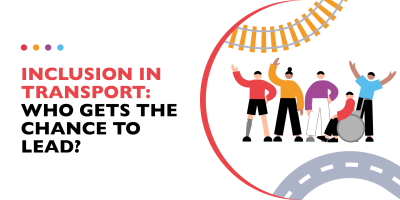
Diversity isn’t an option; it’s a necessity for organisations in the UK’s ports and maritime sector. Unless operators genuinely treat diversity with the seriousness it deserves, they risk missing out on talent at all levels – from dockworkers and logistics staff to senior management and executive roles.
While there have been genuine efforts to recruit more women and individuals from ethnic minority backgrounds into the maritime industry – efforts which have seen success in certain regions – the sector still suffers from an image problem: namely, it is perceived as largely male-dominated and lacking diversity at the leadership level.
Addressing this perception – which, though not entirely fair, has some basis in reality – is essential. Diverse teams bring fresh perspectives and innovative solutions that can enhance efficiency, safety, and overall operational effectiveness in the industry.
Winning the Trust of Stakeholders
As we’ve noted, the maritime industry has an obligation to ensure that it is representative of the wider community. This is indispensable if it is to win and retain the trust of stakeholders – including shipping companies, logistics providers, port authorities, and the wider public who depend on its services.
Yet, we’re still seeing that certain demographics remain underrepresented in the maritime workforce. According to a 2021 report by Maritime UK, women make up only around 20% of the workforce in the sector, with even lower representation in senior leadership roles.
However, some organisations have made strides in this area, such as the Port of London Authority, which has actively promoted gender diversity and inclusive hiring practices. These are encouraging signs, but broader action is needed across the industry – including at managerial and executive levels.
Taking Everyone’s Needs into Account
Another reason why a genuine commitment to diversity is essential is that maritime services and port operations need to be designed with all users in mind. Ports, shipping companies, and logistics operators cannot afford to assume that the traditional workforce demographics reflect the needs of the entire industry.
For example, research shows that women often face unique challenges in the maritime sector, such as a lack of adequate facilities onboard ships and in ports. Additionally, accessibility for disabled workers and passengers in ferry transport has often been overlooked, though there are positive signs that this is changing. Recruiting more staff – including senior-level leaders – from underrepresented backgrounds can help to ensure that these needs are properly considered in policy-making and operations.
Dynamic Leadership Drives Change
Change is important at every level of the maritime industry, but it takes dynamic and committed leadership to ensure that it really takes hold. It’s not enough for organisations to treat diversity as a box-ticking exercise – it requires genuine commitment and action.
This is why it’s so important that leaders from diverse backgrounds are given the opportunity to shape the future of the maritime industry. Leaders with different experiences and perspectives are better positioned to identify necessary changes to create a more inclusive and representative sector.
Regrettably, even now, it can be difficult to find women or individuals from ethnic minority backgrounds in the boardrooms of major ports and shipping companies. This isn’t to question the sincerity of the industry’s existing leadership regarding diversity – but if the sector is to become more representative, this has to be reflected in leadership positions as well.
About Intuitive
For the last 12 years, Intuitive has been helping diverse, talented leaders find their dream jobs in the UK’s transport sector. Intuitive are a trusted partner for well known brands like First Bus, Go Ahead, Hitachi Rail, Avanti Trains…
Intuitive are on a growth journey and we are now expanding our services beyond Transport to the Ports and Maritime sector. We can identify exceptionally talented senior level executives, for business-critical roles (interim and permanent).
Get in touch with our friendly and knowledgeable team today and find out more.


 Read more