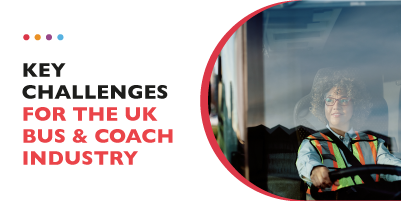
The bus sector is changing, and with it, the shape of leadership to come.
Franchising is getting off the ground, Mayoral Strategic Authorities are taking on a more active role and operators are adapting to a different position in the public sector. At the moment, much of the conversation revolves around the mechanics of reform – the contracts, rollout, how responsibilities might be shared.
But underneath all that is the question of workforce. Does the sector as it stands have enough people, with the right mix of experience and skills, to lead these new ventures?
Bus is facing skills shortages at the same time as the sector’s most experienced people near retirement – and while employers aim to retain good people while competing with other industries for new ones, leadership is still drawn from a relatively narrow pool.
From a recruitment perspective, there’s a real opportunity to rethink where future bus leaders come from, and how the sector helps them build a career once they join.
Skills: broaden what good bus leadership looks like
Franchising brings closer relationships with authorities, more partnership working and a different level of commercial and political scrutiny. Alongside that, leaders are dealing with decarbonisation, changing passenger expectations and the pressure to use data more intelligently. It is a demanding mix, especially when several regions are looking for similar experience at the same time.
With only so many established leaders to go around, developing people internally is hugely important.
There will already be managers across the sector who have the judgement and credibility to progress further, but who have not yet had the chance to sit in on major commercial discussions. Giving them that exposure earlier, while they still have time to learn from experienced colleagues, can make the transition into senior leadership far more natural.
People should have some sense of what the next few steps might look like, rather than waiting for a vacancy to appear and hoping they are ready for it.
Retention: give good people a reason to stay
Developing people is one thing. Keeping them long enough to build that experience is another.
At senior and operational level, the pressure is slightly different. Franchising is creating more competition for experienced people, with operators and authorities often drawing from the same relatively small pool. That makes progression, responsibility and the opportunity to influence change the more pertinent parts of retention.
Working patterns, the quality of line management, support with mental health and whether there is a realistic next step can all shape how somebody feels about their future in the industry. All these factors can be just as influential when somebody starts wondering whether the grass might be greener elsewhere.
The DfT’s 2026–30 People Strategy puts greater emphasis on employee experience, while operators are also opening up progression through graduate, apprenticeship and development programmes. That is encouraging, because one of the simplest retention questions is also one of the most important: if somebody is doing well here, can they see where their career could take them in five years?
Attracting people from outside bus: look more widely at experience
Bus has a huge amount of expertise within it, and there are roles where deep sector knowledge will always be essential. But there are also occasions when the sector could be less rigid about where the next good leader might come from.
People working in rail, aviation, infrastructure, local government or other complex operations may already understand regulation, as well as public scrutiny, large workforces, stakeholder relationships and undergoing major transformations. While they will need to learn the particularities of bus, they won’t be starting from scratch.
There is an attraction challenge here, too. From outside the industry, bus can still look more traditional than it really is. But with the advent of franchising, zero-emission fleets, digital ticketing and a changing relationship between operators and public authorities, the sector now offers the kind of complex operational and transformation challenge that can appeal to ambitious leaders from elsewhere.
Recruiters have a role to play in communicating that opportunity clearly, focusing on the problem a leader will be asked to solve rather than simply the sector they need to come from.
For people who enjoy working through change, there is a lot to get their teeth into.
Diversity: build representation throughout the career path
There has been progress, with more focus across the industry on improving representation and widening opportunity, but leadership still draws heavily from familiar career routes and established networks. That creates another opportunity to cast the net more widely, both externally and within organisations.
It’s important to remember that while senior appointments come under the most scrutiny, the future leadership population is usually being formed much further down the organisation, among supervisors, duty managers and people taking their first steps into management.
If representation narrows there, the effects will still be felt years later.
That’s why diversity has to be part of development as well as recruitment. Who gets access to training, who is encouraged to put themselves forward and whose potential is recognised early all influence the make-up of leadership further down the line.
An ageing workforce: pass experience on while there is time
The ageing workforce is one challenge bus can see coming, which at least gives the sector time to prepare.
With over 40% of the UK transport and logistics workforce nearing retirement in the next 10 to 15 years, a significant amount of experience could leave over the coming decade. And much of what risks disappearing CAN’T simply be written into a handbook.
Mentoring, job shadowing and succession planning can make future handovers more detailed and deliberate, particularly when emerging leaders are given time with experienced colleagues rather than simply inheriting their responsibilities afterwards.
Bus already has an enormous bank of knowledge sitting inside its workforce, so the job now is to make sure more of it gets passed on.
Making bus a career people can see themselves in
There is already plenty to build on across the sector, from apprenticeships and graduate schemes to leadership programmes and more thoughtful approaches to progression.
What needs to become clearer is how those opportunities connect into a long-term career.
Someone joining bus should be able to see how they might develop, take on different responsibilities and, eventually, move into leadership. Equally, somebody arriving halfway through their career from another sector should be able to recognise where their experience fits.
The people who lead the next phase of bus may already be working somewhere within it, or they may currently be building their experience elsewhere.
Either way, we need to give them enough reason to see their future here.
At Intuitive, we spend every day talking to talented people and ambitious organisations across transport. If you are thinking about what comes next, for yourself or your team, we would always be happy to have a conversation.


 Read more