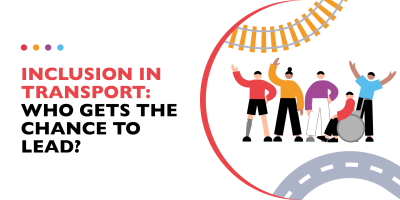
The transport industry, at all levels, prides itself on its public service ethos. It is, after all, a moral as well as legal duty that the industry embraces the whole public, in all its diversity – both in its employment practices and in the actual service it provides.
Given that public transport is indeed a public service, it’s only right that the industry properly reflects the public it serves. But there are practical benefits to greater diversity, too – such as, in particular, drawing on a wider range of perspectives, ideas and talents.
The UK bus and coach industry has made progress towards greater diversity in recent years and has recently launched Women in Bus and Coach, which is a hugely positive step. Even so, it’s fair to say that it still has further to go. In this post, we’ll take a closer look at why it’s so vital that organisations operating in the bus and coach sector take diversity seriously and act accordingly.
- Broadening the recruitment pool
- Winning the trust of passengers
- Taking everyone’s needs into an account
- Dynamic leadership drives change
Broadening the recruitment pool
Diversity isn’t an option , it’s a necessity for organisations in the UK bus and coach sector. Unless operators genuinely treat diversity with the seriousness it deserves, they risk missing out on talent at all levels – from the shop floor, so to speak, to the boardroom.
While there have been genuine efforts to recruit more women and more people from ethnic minority backgrounds to work in the bus and coach industry – efforts which have had considerable success in some parts of the UK – the industry still suffers from an image problem: namely, it is still perceived as largely white and male.
Tackling this image – which, though not an entirely fair reflection of the sector, isn’t completely groundless – is essential. This is because candidates from underrepresented backgrounds can bring with them ideas and contributions that could change the sector for the better, benefiting everyone concerned including passengers.
Winning the trust of passengers
As we’ve noted, public transport in general has an obligation to ensure that it’s representative of the public itself. This is indispensable if it’s to win and retain the trust of passengers – who are, after all, the people who the sector is ultimately intended to serve.
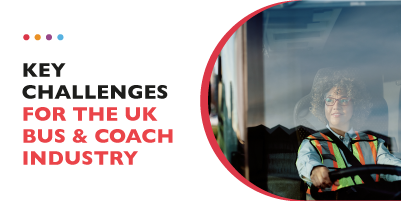
Yet we’re still seeing that certain demographics remain underrepresented in the bus industry’s workforce. According to a 2021 survey by the Office for National Statistics, only 11% of UK coach and bus drivers were women, for example.
However, some bus and coach operators have exceeded this, with Go Ahead reporting earlier this year that female representation among its workforce of 11,000 bus drivers had risen from 10% to 12% in 2022. This is an encouraging sign, but it must be backed up by action across the entire industry – including at managerial and executive level.
Taking everyone’s needs into an account
Another reason why a genuine commitment to diversity is essential is that bus services need to be designed taking the needs of all users into account. Bus operators can’t afford to assume that the needs of the typical, able-bodied white male are reflective of the wider population – because they aren’t.
In fact, research tells us that women make 30% more bus journeys than men. On average, according to the 2019 National Travel Survey, women travel 52 miles more than men by bus annually, while their average trip distance was 21% higher than that of men.
The needs of disabled passengers have also tended to be overlooked, though again there are positive signs that this is changing. Recruiting more staff – including senior-level staff – from underrepresented backgrounds can help to ensure that the needs of passengers from the same demographics are taken properly into account when planning and providing bus services.
Dynamic leadership drives change
Change is important at every level of the bus industry, but it takes dynamic and committed leadership to ensure that it really takes hold. It’s not enough for bus companies to treat diversity as a tick-box exercise or a mere formality – it requires genuine commitment.
This is why it’s so important that leaders from diverse backgrounds are given their chance to lead in the bus industry, and in public transport more generally. Because they come to the role from a different background, they’re better able to see what needs to change in order to make the industry more representative – and to carry that process of change through to completion.
Regrettably, even now, it can be difficult to find women or non-white people in the boardrooms of the bus and coach industry. This isn’t to denigrate the industry’s existing leadership or question its sincerity when it comes to diversity – but if the industry is to become more representative, this has to be reflected in the composition of its leaders, too.
For the last decade, Intuitive has been helping diverse, talented leaders find their dream job in the UK transport sector. If you think you’d be a great fit for a leadership role in transport, get in touch with our friendly team of recruitment experts to find out how we can help you. Also, if you’re looking to partner with us to recruit for senior roles or interim management e.g. bid writers, bid managers, then we would love to hear from you.


 Read more