When I started Intuitive thirteen years ago, it was just me, a laptop and an ambition. I wanted to build a business where candidates were treated as people and personalities, not a list of past job titles, because a CV might be where the conversation starts, but it should never be where it ends.

Thirteen years on, and with National Inclusion Week here again, it’s been encouraging to see how much that conversation has changed in transport. Representation is discussed more openly, and there’s less tolerance for the idea that leadership should come from one narrow mould. That’s real progress, and it’s worth marking.

It also gives us a reason to look more closely at the decisions that still favour the familiar, and to imagine what could open up if we didn’t.

Representation can improve without the route into leadership changing very much, because the process around it tends to stay the same even as the people in front of it change. A brief can still describe the last person who held the role, a search can still draw from familiar networks, and an interview can still reward people who know how to present themselves in the expected way. When the assumptions underneath a process go unexamined, a business can end up looking more open while making much the same decisions about who belongs at the top.

This year’s theme, Build Trust. Navigate Change, feels made for this moment. It’s an invitation to look at the places where a great applicant can get ruled out before anyone has properly understood what they can do, and to build something better. Here are five places to start.

1. Start with the role

Most job briefs get reused rather than rewritten: copy the old requirements across, a few tweaks here and there, change the date, and the brief is done. That’s quick, but it hides a real problem, because the role itself may have moved on since it was last written. Revisit it, and you open the door to someone brilliant who might otherwise never have applied.

Someone may have been hired to build a function that now needs steadier leadership through a restructure, or to set up a team whose next job is repairing relationships. The title can stay exactly the same while the job underneath it changes completely. Start by asking what the business needs from this appointment now, not what it needed from the last one, and you might be surprised who fits.

2. The must-haves

Job descriptions have a habit of collecting requirements long after anyone remembers why they were added. By the time a search begins, the essential criteria can end up describing the last person in the role, rather than the job itself.

Some requirements earn their place. Regulatory knowledge may be essential, so might hands-on experience of a particular operating environment. Others are there simply because nobody’s stopped to question them. Does somebody really need ten years in the sector, or has that become shorthand for experience? Strip those away, and your strongest candidate might have been there all along.

There’s no prize for a longer list of essentials. If you can’t explain what a requirement will actually help somebody do in the role, it probably shouldn’t decide who gets considered.

3. Beyond transport

Moving from one part of transport to another isn’t starting from scratch. Someone who’s led a complex operation, or taken people through change, already knows plenty about making decisions under pressure, even without experience in exactly that corner of the sector.

Sector knowledge helps. But someone who’s already learned to lead through uncertainty may bring more to the job than their CV suggests, and that’s a genuinely exciting thing to bet on.

Looking to other safety-critical or transport-adjacent sectors can bring in people who still ask the questions the rest of us stopped asking years ago, and sometimes those are exactly the questions that move things forward.

At Intuitive, we’re proud that 54% of our placements have come from outside of the sector. And with over 90% of our candidates still in their role after two years, there’s a strong indication that the right leadership experience can translate, even when it comes from a different industry.

4. Help people see the fit

By the time a role reaches shortlist stage, plenty of people have already decided they’re probably not the obvious choice. Someone whose career hasn’t followed the usual route may spot the gaps in a job description before they notice how much of it they already match. A nudge at the right moment can change that.

If someone’s been approached because something in their experience caught the hiring team’s eye, they should be told what it was. “You’ve led through exactly this kind of change before” gives someone something real to think about, and something to feel genuinely proud of. “We thought you might be interested” could be sent to anyone.

Inside organisations, people are more likely to put themselves forward when they’ve already been trusted with work that stretches beyond their job title. That confidence is much easier to build long before a senior vacancy appears, so the groundwork starts now, not when the role opens up.

5. Rethink the interview

An interview is a strange test when you think about it. It uses few hours of conversation, less if the interview has fewer stages, and possibly a presentation to task to judge how somebody might lead over the next several years. It’s worth asking whether that process is really telling us what we need to know.

Some people are brilliant at this particular format. They think quickly and make their experience sound clear and compelling under pressure. It’s a skill, but it isn’t the same as showing how they’ll lead on the job.

For some neurodivergent candidates, a conventional panel can place too much weight on behaviours that have little to do with the work itself. Candidates shouldn’t have to guess their way through the format. Let them know what to expect, ask whether reasonable adjustments would help, and give their answers room to arrive. Give people the best shot at showing you who they actually are.

The conversation has moved on. Have our hiring habits?

Transport has made real progress, but the harder part is letting that progress change the everyday choices made around a senior appointment, appointment by appointment, until it’s simply how we work.

Sometimes the old habits are the easiest to miss, because they look like common sense, not bias. A job description gets carried over without anyone revisiting why a requirement is there. A familiar name feels reassuring before anyone’s worked out whether it’s right for the job as it now exists.

The next appointment is a good place to test it. Does the brief describe the job you need now, or is it quietly asking for the last person again?

People still need to meet the demands of the role. But the right person may not arrive in the shape we expect. Organisations need to be willing to recognise what they could bring, not just what their CV already tells us, and to be a little braver about who they let lead next.

Transport’s next chapter is still being written, and more people deserve the chance to help write it.


WE would love to get to know you!

Please do give us a call, drop us a message or follow us on Linkedin!

Related blogs

Read more Read more
We’re Hiring: Head of Client Relationships

We are looking for a Head of Client Relationships to strengthen partnerships, develop new client relationships and represent Intuitive across the transport sector.

Read more Read more
How One Intuitive Introduction Helped Build a Lifelong Rail Career

Read about how an Intuitive introduction led to an international relocation and a move from aviation into rail, helping build a long-term senior rail leadership career.

bus operator recruitment challenges
Read more Read more
The Biggest Recruitment Challenges Facing Bus Operators

Bus is facing skills shortages, the sector’s most experienced people are nearing retirement, and leadership talent pools are narrow.

Read more Read more
Networking in Transport: It’s not About Working the Room

If I could give my younger self some advice, it would be “keep connecting with people”. You never quite know where a conversation might lead.

Read more Read more
The Skills Challenge of Rail Reform

The biggest challenge of rail reform sits with recruitment: plugging the skills gap and bringing in people to deliver a railway that operates at its best.

How recruitment has changed
Read more Read more
How Recruitment has Changed Over the Last 20 Years

Over the last two decades, the recruitment landscape – like the rest of the business world – has undergone some seismic shifts.

impact statement
Read more Read more
Our Impact Statement

Through our commitment to ED&I, we’ve spent the last decade working to make transport more diverse – and more reflective of the public it serves.

Read more Read more
How to Attract Fresh Leadership Talent in Ports and Maritime

We take a closer look at why it’s so vital that organisations operating in the maritime sector take diversity seriously and act accordingly.

interim leadership candidates
Read more Read more
How Intuitive can Help you Find the Perfect Interim Candidates

Having the right interim leadership in place can be the difference between navigating change smoothly and falling behind.

interim leadership role
Read more Read more
How Intuitive can Help you Find the Perfect Interim Role

The world of interim work is dynamic, fast-paced, and bursting with opportunity — especially in the ever-evolving transport sector.

The opportunities of bus franchising
Read more Read more
The Benefits and Opportunities of Bus Franchising

We explore the benefits and opportunities franchising offers, looking at the most important questions and considerations involved.

interim candidates in the bus sector
Read more Read more
The Need for Interim Candidates in Bus Franchise Bidding

We take a look at why interim roles have proven to be so important for bus franchise bidding – both for operators and local authorities.

IR35 for employers
Read more Read more
IR35 explained: what it means for employers

If you’re an employer and you use the services of contract workers who operate via intermediaries, IR35 has big implications for you and your contractors.

IR 35 Contractors
Read more Read more
IR35 explained: what it means for contractors

As an interim, you must understand how IR35 works, as well as how – and when – it applies to you. In this guide, we’ll take a closer look at what IR35 means for candidates.

Rail recruitment crisis
Read more Read more
Changing the Narrative on Rail

UK Rail faces a recruitment crisis: what are the incentives to take up a career in the industry, and how can the rail sector change the narrative?

Success Stories - Martijn Gilbert
Read more Read more
Video: Success Stories – Martijn Gilbert

Our team works with a host of leading employers in the bus industry, placing dynamic leadership talent into executive level roles.

why rail needs interim leaders
Read more Read more
Why UK Rail Needs Interim Executives

There is growing demand for interim leaders in the UK rail sector – here are some of the main reasons why – and how you can get ahead.

why public transport is a great career choice
Read more Read more
Why You Should Consider a Career in Public Transport

We explore several of the most important reasons why you should consider a leadership-level career in public transport.

Read more Read more
Intuitive On The Move!

The Intuitive team has been out and about, mixing with transport industry leaders, and keeping our ears close to the ground for the latest developments.

Read more Read more
What UK Rail can do for Social Mobility

What should UK rail be doing to support those from underrepresented and underprivileged backgrounds as they try to make their mark on the industry?

Read more Read more

Creating a Friendly Workplace Culture for Neurodivergent Individuals in UK Transport

Being neurodivergent-inclusive brings benefits both to employee wellbeing and your business. But how do you create a neurodivergent-friendly workplace?

Read more Read more

Seven Ways Interim Managers Could Boost Your Business

Recruiting interim candidates is a good way of bringing in specialist expertise, offering flexibility and a diverse breadth of experience as well as cost-effectiveness.

Unconscious bias against neurodiversity in recruitment
Read more Read more
Assessing Your Recruitment Process for Neurodiversity Bias

As with any other employee, new executives need support as they adjust to their new role so that they can perform to their full potential. But how long is long enough?

How long should executive onboarding last
Read more Read more
How Long Should Executive Onboarding Last?

As with any other employee, new executives need support as they adjust to their new role so that they can perform to their full potential. But how long is long enough?

Read more Read more

Key Challenges for the UK Bus and Coach Industry – and the Leadership it Needs

We take a close look at the biggest challenges facing the bus sector and how they might be addressed moving forward.

promoting yourself as an interim executive
Read more Read more

Promoting Yourself as an Interim

To be an effective interim executive, you need a particular skill set that equips you for the challenges you’re likely to encounter. Here’s what to develop – and to promote.

Considerations to make before committing to your next career move
Read more Read more
What You Need to Consider Before Making Your Next Career Move

Before committing a big career move, there’s a lot you need to think about. Here’s what you should consider before taking on a new role.

Read more Read more
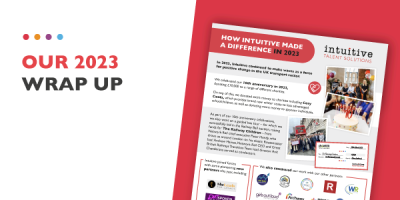
Infographic: How Intuitive Made a Difference in 2023

We did so much in 2023, so we’ve created an infographic of some of our biggest achievements this year!

Executive job interview tips
Read more Read more
Tips for Acing Your Next Executive Job Interview

if you’re on the lookout for a new executive role – whether it’s your first job at this level or you already have some senior-level experience – hare some top tips to bear in mind.

bus industry diversity
Read more Read more
Driving Change in the UK Bus Industry: Why Diversity Matters

Taking a closer look at why it’s so vital that organisations in the bus and coach sector take diversity seriously and act accordingly.

Bus Sector
Read more Read more
Video: A Force for Change in the Bus Sector

Our team works with a host of leading employers in the bus industry, placing dynamic leadership talent into executive level roles.

ed&i in the UK bus sector
Read more Read more
ED&I In The UK Bus Industry: The Scale Of The Challenge

Buses have long been the site of struggles for civil rights and equality, and, for all its progress, the UK bus industry has a way to go.

executive onboarding blog
Read more Read more
How To Keep Executive Onboarding On Track

Between 50% and 70% of executives fail within 18 months of starting a new role. So what can be done to ensure executives thrive and prosper?

interview style pros and cons
Read more Read more

Conducting a Successful Interview: Pros and Cons of Different Interview Styles 

Recruiting for executive roles is never an easy business, but choosing the right interview format for the position and your organisation can make it easier.

executive onboarding
Read more Read more
New Candidate Expectations for Executive Onboarding

New senior-level recruits have very different needs from their colleagues. Here’s how to ensure your executive onboarding process works.

The UK rail skills shortage 2023
Read more Read more
Infographic: The UK Rail Skills Shortage

Our infographic lays bare the scale of the skills shortage in UK rail, its effects on the industry, and how recruiters can help to address the skills gap.

Read more Read more
Growing Senior Transport Roles to Consider in Recruitment Plans

We detail the growing c-suite positions you should account for in your recruitment strategies or may want to pursue as a leadership candidate.

Read more Read more
Knowing if and When Interim Leadership Is Right for You

For many senior professionals, interim management is the most rewarding career path imaginable – but contract work isn’t for everyone.

Read more Read more
CV Rules and Best Practices for Senior Leaders

How you can take your CV from a tell-all list to a marketing tool that increases your chance of securing an interview.

Read more Read more
Video: Nina Reflects on 10 Years of Intuitive

Founder and Director Nina Lockwood reflects on the last ten years of Intuitive and shares her thoughts on recruitment and the transport industry.

Celebrating ten years of Intuitive Recruitment
Read more Read more
Video: Ten Years of Intuitive

Intuitive’s first decade has been magical. Here are the highlights, from bringing new faces into the sector to hosting a hit podcast and winning Executive Recruitment Agency of the Year.

Intuitive 2022 Year in Review
Read more Read more
Video: Our 2022 Wrap Up

2022 has certainly been a fantastic year for Intuitive. So to celebrate, we’ve packed our highlights into a short wrap-up video.

Read more Read more
Infographic: Sector Switching – How to Figure out the Right Fit?

Could a different sector be a better fit for your career priorities and progression goals? This 7-step plan can help you decide.

Read more Read more
Get what you need from Interviews Without being Script-Bound

We share six steps for developing an interview approach that gets what you need from leadership candidate interviews, without relying on a script.

Read more Read more
Adapting Your Interview Style: Part 2 – In-Person Interviews

In-person interviews are far more fluid than they used to be – especially for senior leaders. Here are four ways to adapt your interview style for senior leadership positions.

Read more Read more
Adapting Your Interview Style: Part 1 – Video

As video interviews have grown, so have expectations of how candidates use virtual tools. Here’s how to adapt your interview style for virtual spaces.

Read more Read more
Making LinkedIn an Irreplaceable Career Progression Tool

We share our tried-and-true seven-step strategy for making LinkedIn an irreplaceable tool in your career progression journey.

Read more Read more
Hallmarks of Ads that Attract the Strongest Candidates

Discover four fundamental features of senior leadership job adverts that attract the strongest Transport candidates.

Read more Read more
Building an Employer Value Proposition That Evolves with Candidate Expectations

While you can’t predict what’s to come, adjusting your strategic approach with an evolving EVP can ensure it always delivers what matters.

Read more Read more
Faster Career Progression by Embracing Positive Thinking

A positive attitude can be a real divider when it comes to professional success and can improve confidence, relationships and the speed at which you achieve your goals.

Read more Read more
Building a Personal Brand That’s Instantly Memorable

How do you curate a personal brand that’s true to you but still has career progression prowess?

Read more Read more
How To Have Authentic Conversations With Candidates

Authentic conversations help uncover the real person behind an impressive CV, and are paramount to matching the right candidate with the right enterprise.

Read more Read more
Weighing Up A New Role: Three Questions To Ask

We share three fantastic questions that every transport leadership candidate should ask during the interview process. Revealing answers are guaranteed!

Read more Read more
Intuitive proudly announce our CPT membership

Intuitive will be teaming up with the CPT to connect bus and coach organisations with exceptional leadership professionals.

leadership potential
Read more Read more
Ways to Identify Leadership Potential Outside Your Sector

How can your transport organisation tap into cross-sectoral talent and identify leadership potential? We explore strategies for finding talent and 5 specific characteristics to look for.

transport sector
Read more Read more
How Transport Can Be a Successful Force for Change

Why connecting with clients with candidates from outside of the transport sector is important and how it can benefit your organisation. We share 4 interesting advantages.

Read more Read more
Reverse Mentoring: Why it’s Important to the Transport Sector

Reverse mentoring empowers less senior, younger, or more unconventional employees to share their knowledge and experience with more senior, conventional, and oftentimes older colleagues.

Read more Read more
How to Challenge Unconscious Bias in the Recruitment Process

Unconscious bias has been associated with career challenges for those from diverse backgrounds, and when left unchecked, can affect workplace inclusivity.

Read more Read more
Why Your EVP will Turn the Tide on Recruitment Challenges

Putting your employer value proposition at the heart of your recruitment strategy can set you up for long and short term success.

Read more Read more
4 Ways to Have a Positive Mindset in Your Role

In the workplace and as a leader, a positive mindset is important not just for job satisfaction, but for being effective and driving change.

Read more Read more
Unveiling the 90 Day Accelerator Programme

Nina and Founder and Director of Metisblue Laurent Bouvier introduce the exclusive and focused 90 Day Accelerator Programme.

Blog Title Card: Nina on Inspirational Women in Recruitment
Read more Read more
Hear Nina on the Inspirational Women in Recruitment Podcast

Nina recently featured on the Inspirational Women in Recruitment podcast, revealing her approach to attracting and engaging talent and more.

Skills for the transport sector
Read more Read more
How to Match Transport Candidates Beyond the Job Description

Whether recruiting as an internal team or with a Talent Consultancy, our tips can help you match high-level roles with the best in transport.

Blog Title Card: In-Demand Skills for Transport
Read more Read more
5 Key Transferable and Desirable Skills for the Transport Sector

Discover the top five in-demand transferable skills relevant to high-level roles in the transport sector, based on feedback from our clients.